USVI PROPERTY Law

Local Knowledge. National Experience.
At Tully Law, we handle the full spectrum of real estate matters in the U.S. Virgin Islands — from multi-million-dollar resort acquisitions and development projects to residential closings for families and investors. Our clients trust us to navigate the Territory’s unique land laws, title history, and regulatory environment with clarity and precision.

Why Clients Choose Us
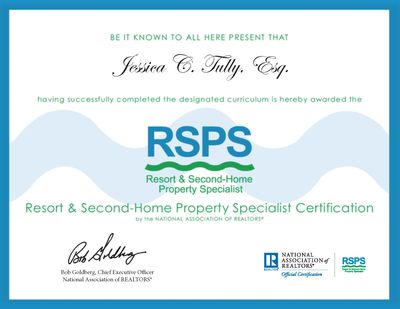
Attorney Jessica Tully is widely recognized as an authority in Virgin Islands real property law.
- She has authored scholarly articles on real estate and title issues.
- She has taught attorneys nationwide as a Professor with the National Business Institute.
- She is also a licensed notary and real estate broker in the Virgin Islands, giving her unmatched, practical insight into every stage of a real estate transaction.

Who We Represent
We represent a broad range of clients, including:
- Developers and real estate investors
- Hotels and resorts
- Condominium and homeowner associations (COAs & HOAs)
- Quarry landowners and natural resource developers
- Federal contractors and civil project stakeholders
- Financial institutions and lenders
- Small business owners and residential buyers/sellers
What We Do
Commercial Real Estate and Residential Closings
Our practice spans both commercial real estate and residential closings, with a special focus on resolving complex title and property issues that are common in the Virgin Islands.
Core Services
- Acquisitions & Sales – Representing buyers, sellers, lenders, and borrowers in both commercial and residential transactions, including high-value resort and development deals.
- Title Review & Clearance – Curing defects in land records, resolving boundary disputes, addressing adverse possession, and removing restrictive covenants.
- Commercial Leasing – Drafting and negotiating leases for retail, office, industrial, and hospitality properties.
- Development Projects – Guiding zoning, land use, coastal zone management, permitting, and condominium structuring.
- Hotel & Resort Transactions – Representing investors, owners, and operators in acquisitions, divestitures, management agreements, and joint ventures.
- Association Law – Advising COAs and HOAs on formation, governance, and ongoing board compliance.
- Natural Resource Properties – Representing quarry landowners and natural resource developers in leases, use agreements, and compliance.
- Financing & Mortgages – Representing lenders and borrowers in commercial mortgages, refinancing, and secured transactions.
- Divestitures & Dispositions – Advising on portfolio sales, asset transfers, and corporate divestitures involving real estate.
- Regulatory & Environmental – Ensuring compliance with territorial regulations, environmental restrictions, and coastal zone requirements.
- Residential Closings – Assisting individuals and small business owners with home, vacation property, and residential investment transactions..
Our Foucs and Approach

Our Focus
Complex real estate is our specialty.
Ms. Tully’s real property practice is centered on resolving issues that affect the use and transfer of land in the Virgin Islands, including:
- Abandoned property
- Easements and rights-of-way
- Boundary disputes
- Adverse possession
- Eminent domain
- Environmental restrictions
Our Approach
We are practical, business-focused, and results-driven. We anticipate the unique challenges of Virgin Islands real estate — from historical title defects to regulatory hurdles — and work proactively to resolve them. Whether serving as local counsel in a $50M resort acquisition, advising a condo association board, negotiating a quarry lease, or closing a family vacation home, Tully Law delivers trusted counsel that safeguards investments and achieves client goals.
Client Intake Forms
Buying Real Estate
Selling Real Estate

Please complete this form if you want an attorney to assist you with the purchase of property.
Selling Real Estate
Selling Real Estate
Please complete this form if you want an attorney to assist you with the sale of your property.
Other Property Matters
Other Property Matters
Can't find the form you need? Please submit this general intake form and an attorney will get back with you in 72 hours to discuss your matter.
Taking Title to Real Estate in the USVI
What are your options?
There are several ways to hold title to property. Your decision has many legal consequences that can affect you and your heirs. Each buyer's situation is different. Please seek legal advice from a real estate attorney before making this important decision, as property laws vary by state and territory.
Below are a few examples of some of the most common ways title can be held.
Sole individual ownership
The simplest way to hold title to a property is called sole individual ownership. Sole ownership means that one individual person alone holds title to the property.
Pros:
- Simple. Ownership is easy to prove, as the name of the owner is on the deed.
- Loan terms. Individual consumers have more favorable mortgage loan terms than businesses.
- Inheritable. Individual owners can prepare estate plans to decide who will get the property after they die.
Cons:
- High liability. Exposure to personal liability for injuries or harm to third parties on the property is at its highest if property is titled in an individual’s name. The USVI is a “winner take all” jurisdiction – the “winner” of a lawsuit is entitled to seek payment of their attorney’s fees from the “losing” side. The USVI is a fairly litigious jurisdiction. Taking title in an individual's name is not recommended if the property is going to be used for investment or rental purposes.
- Probate. The property interest is subject to probate when the individual dies. Probating even a simple estate can take years and cost heirs thousands (or tens of thousands) of dollars in the U.S. Virgin Islands. Probate should be avoided in the USVI. Probate is required, regardless of the existence of a will.
Tenancy by the entirety
The USVI allows joint ownership of a property by a married couple called tenancy by the entirety. In this type of ownership, an owner cannot make any decisions about the property without the other’s consent. Each of the married partners has full rights to the property should the other spouse die. The only way to sever this kind of ownership is by divorce or death.
Pros:
1. Simple. Ownership is easy to prove, as the names of the married owners are on the deed.
2. Loan terms. Just like single individuals, married couples have more favorable mortgage loan terms than businesses.
3. Partial avoidance of probate. After the first spouse passes away, the surviving spouse does not need to probate the deceased spouse's estate to gain title to the property. Title is automatically vested in the surviving spouse upon the death of the deceased spouse and proof of ownership is demonstrated by recording a certified copy of the deceased spouse's death certificate.
Cons:
1. High liability. Exposure to personal liability for injuries or harm to third parties on the property is shared by the married couple. Taking title this way is not recommended if the property is going to be used for investment or rental purposes.
2. Not inheritable. It is not possible to predict which spouse will pass first. The surviving spouse will have total ownership and control of the property, including the ability to sell the property. This can be troublesome for couples who have children from previous marriages and want their children to be able to inherit their property. The spouses have to trust that their wishes will be honored by their spouse should they be the first to pass away.
3. Probate is inevitable. The surviving spouse’s interest in the property is subject to probate when the surviving spouse dies. Probate is required, regardless of the existence of a will.
Joint tenancy with right of survivorship
Joint tenancy with right of survivorship means two or more people (other than a married couple) hold title to the property together. If one person dies, the ownership automatically defers to the remaining owner(s). If any of the owners sell their interest in the property, the tenancy is broken and the new owner becomes a tenant in common with the existing owner(s).
Pros:
1. Simple. Ownership is easy to prove, as the names of the owners are on the deed.
2. Loan terms. Just like single individuals, owners have more favorable mortgage loan terms than businesses.
3. Partial avoidance of probate. After the first owner passes away, the surviving owners do not need to probate the deceased owner's estate to gain title to the property. Title is automatically vested in the surviving owners upon the death of the deceased owner and proof of ownership is demonstrated by recording a certified copy of the deceased owner's death certificate.
Cons:
1. High liability. Exposure to personal liability for injuries or harm to third parties on the property is shared by the owners. Taking title this way is not recommended if the property is going to be used for investment or rental purposes.
2. Not inheritable. It is not possible to predict which owner will pass first. The surviving owners will have total ownership and control of the property, including the ability to sell the property. This can be troublesome for owners who have children and want their children to be able to inherit their property.
3. Probate is inevitable. The last surviving owner's interest in the property is subject to probate when that owner dies.
Tenancy in common
Tenancy in common allows multiple owners to each own a percentage of a property. In this form of holding title to the property, an owner can sell his or her percentage share of the property at any time. Owners also can will their share to their heirs. The property does not revert to the other owners automatically if one of the owners dies.
Pros:
1. Simple.
2. Loan terms. Individual consumers have more favorable mortgage loan terms than businesses.
3. Inheritable. Individual owners can prepare estate plans to decide who will get the property after they die.
Cons:
1. High liability. Exposure to personal liability for injuries or harm to third parties related to the property is shared by all owners.
2. Difficult management. Partial ownership interests in real estate make it challenging to manage the property. Consent of all owners is required for loans. It may be difficult to get all owners to contribute financially to the upkeep of the property.
3. Multiple probates. When a fractional interest owner dies, their fractional interest is subject to probate. Clearing title to enable the owners to sell the property can be prohibitively expensive if partial interests are tied up in probate proceedings for years.
Revocable Living Trust
Property can be transferred into a revocable living trust, which shields the property from probate when the owner(s) dies. However, there is some cost to setting up and maintaining the trust. An estate attorney can assist in establishing a trust.
Pros:
1. Avoid probate. There is no need for your beneficiaries to spend years in court waiting for the court to title the real estate in their names. The successor trustee can make those transfers as governed by the trust agreement.
2. Avoid transfer tax. If the property is currently titled in individual or married names, there is no stamp tax owed to transfer the property into a revocable living trust.
3. Loan terms. Revocable trusts can receive loans with the same favorable terms as individual consumers.
Cons:
1. Cost. There are legal fees associated with the preparation of a trust. These fees are typically several thousand dollars.
2. High liability. Exposure to personal liability for injuries or harm to third parties on the property is shared by the settlor(s) of the trust.
Limited Liability Company
A limited liability company can own property in the U.S. Virgin Islands. An LLC shields the personal assets of the owner(s) of the LLC from claims made by third parties. However, unless the buyer is paying cash for the property, it can be difficult to title real estate in the name of an LLC.
Pros:
1. Liability shield. Shields the individual owners from personal liability to third parties on the property for injuries or harm.
2. Tax savings. Stamp tax can potentially be avoided by transferring membership interests to buyers instead of title to real estate.
3. Privacy. The ultimate owners of the LLC do not need to be named in the deed.
Cons:
1. Cost. The are legal fees associated with the formation of an LLC. There are ongoing annual fees owned to the USVI government to keep the entity in good standing.
2. Loan terms. Loan terms are commercial terms, which means the interest rate is likely going to be higher than a consumer loan and the repayment period is likely going to be much shorter.
3. Transfer tax. If you already have title to the property in your individual name, you will be required to pay stamp tax when transferring title to the LLC. The tax ranges from 2-3.5% of the assessed value of the property and is owed at the time of the transfer. Many people do not have that amount of cash on hand.
4. Membership interests may be subject to probate. If members own their interests in their individual names, their membership interests will be subject to the probate process, which can have long-lasting effects on the LLC's ability to transfer title to the real estate.
Please consult with an attorney to discuss your situation to determine the best way for you to take title to real estate in the USVI.
